One year and counting
Cat and I recently celebrated one year in country. As fast as it has passed I am old enough to know that the next year will go even quicker. I could use this entry to reflect on all that's happened, things I've seen and done, the people I've met, etc. But instead I am thinking about machismo and bachata, two things that are a daily part of my experience here.
Bachata is, by far, the most popular genre of Dominican music. Machismo, is, welllll . . .
The male animal
Machismo is the cultural pattern that defines gender relations in the DR and, indeed, much of Latin America. The word machismo derives from the Spanish macho, which means "male animal." Basically this means different behavior standards for men and women with the difference favoring men. This manifests itself in many ways but generally means that men are free to do as they like while women are expected to be responsible and "respectable" - which usually means staying at home to cook and clean and take care of children.
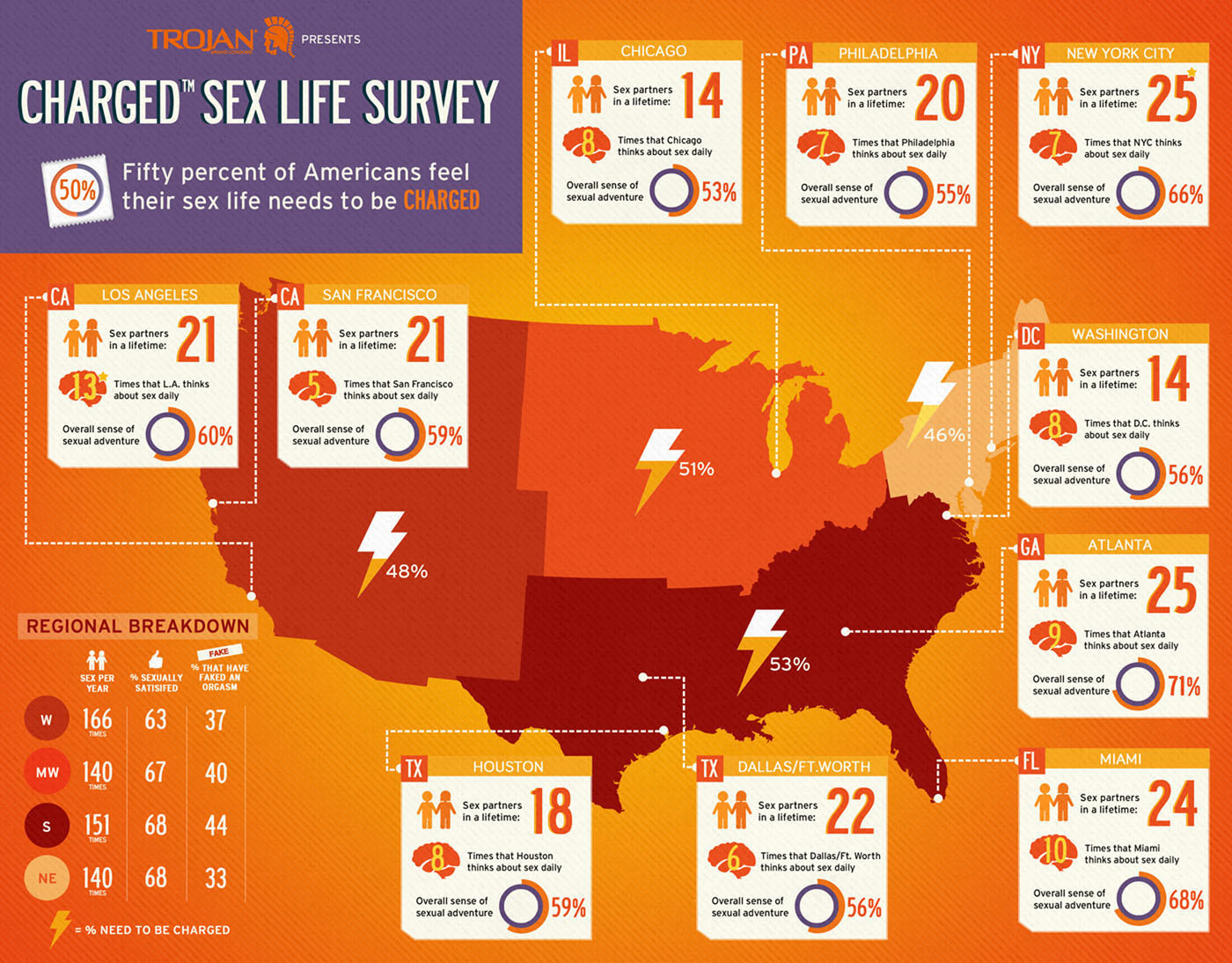
The double standard extends to sexual relationships as well. Dominican culture is pretty sexual: multiple partners are common, even expected. I say this with no judgement having come from San Francisco, a city in which the average person has 21(!) different sexual partners over their lifetime. (No, not me, mom). But under machismo, men can brag about their conquests while women have to keep quiet lest their reputation be irrevocably damaged. The double standard of machismo also dictates that "quiet" infidelity by men is to be tolerated, even it breaks the heart of every woman involved with the unfaithful man.
Machismo puts suffering women in another bind by restricting artistic expression. In the US woman can sing of their broken hearts and get rich doing it but Dominican popular music there is little space for female artists.
A few words about bachata
Bachata began as the music of brothels. Then it was the music of the campo, a period in which it endured a disdain similar to that urban intellectuals in the US have heaped upon country music, before eventually becoming the king of Dominican genres. It is lovely, melancholic music with a rhythm you can dance to.
A favorite old song of mine:
As the genre steadily marched toward universal acceptance it slowly changed. The rhythm stayed the same but the tempo sped up. Artists from the Dominican diaspora started incorporating pop influences from their time in Nueva Yol. Romeo Santo, the reigning king of contemporary bachata, is fluently bilingual and has cut songs with Drake.
What does it sound like now? Click, close your eyes, and listen:
If you are like me, you may have thought Romeo was a woman upon first listen. It's not just him. For the being most popular genre in a machista society, a surprising number of male bachata artists sing in a feminine style. This androgyny is present in the lyrical content as well.
To women or for them?
Some say that machismo is embedded in Spanish because the majority of nouns have gender. When speaking about a women, or to her, you use the feminine version of a word. When speaking about, or to, a man use the masculine form. When saying something as simple as "You are bad" you betray the gender of the object by saying either "bueno" (masculine) or "buena" (feminine). It is really hard to avoid using gender, even by accident.
Yet bachata does this all the time. Virtually all bachata is about love between men and women but it many of biggest songs refer not to men and women but just "you" and "I" in an ingeniously genderless fashion. This is not universal - the Romeo song above brims with rather grotesque, gendered expressions - but it is extremely common.
With high pitched vocals and androgynous lyrics, many contemporary bachatas written and performed by men could be sung by a woman without changing a single thing about the song. This brings me to the belatedly stated thesis of this piece: contemporary bachata, by accident or design, has evolved in such a way that the songs that best to permit the expression of female longing in a machisto society are the most popular.
Instead of singing merely to the women, male bachata artists sing in their place as well.
10 Seconds
When it comes to bachata, I prefer the old school of Leonardo Paniagua and Luis Seguro but I still appreciate the new style. My contemporary favorite is "10 Segundos by Zacarias Ferreria." I have probably heard this song - no joke - at least 300 times in the last 365 days and still I am not sick of the melody.
Hear:
Dominicans love to sing along, out loud, in public. About 200 of the 300 times I have heard this song, there was a woman singing along, reaching for the high notes in the chorus. It goes like this:
Yo te amo pero tú
buscas sexo y nada más
yo te amo pero tú
de amar bien no eres capaz.
"I love you, but you
look for sex and nothing more.
I love you, but you
are not capable of real love."
Showing posts with label video. Show all posts
Showing posts with label video. Show all posts
Wednesday, March 8, 2017

Thursday, February 2, 2017
Thursday, January 26, 2017
Drowning in Water
The Meaning of Water
A favorite parable of mine goes like this:
Two young fish are swimming along side-by-side talking about the things youngs fish talk about when an elder fish says to them in passing:
"'Morning fellows! How's the water today?"
The young wish swim on without reply. Only When the strange, old fish has safely passed does one turn to the other and say:
"What the heck is water?"
Culture is like water. We swim in it without knowing it for what it is. We take it for granted.
(For a more extensive exploration of this idea, I recommend the following commencement speech by David Foster Wallace.)
This parable has been helpful to give me perspective on my own
culture. To be more see more of the thins that I take for granted. when I
lived inside my own culture.
Lately, though this has metaphor has taken on a whole new dimension of meaning.

A Very Bulla Christmas
The holidays were hard for me. (Cat, too). I would have been hard pressed to explain it at the time but with the wisdom of a few weeks perspective I can see it was a matter of cultural difference.
Being out of my own culture meant swimming in unfamiliar waters. The winter holidays in the DR are just different and that made me uncomfortable and a bit depressed in a way I wasn't anticipating.
So, you ask, how are they different?

These lights on a neighbor's house are one on a short of five items that DR and US Christmas celebrations have in common. The others? Family comes home, people take a week or more days off work, they celebrate with food and drink, and the special day gets special recognition in the church.
(We were invited to Mass but we didn't go. I now wish we had - the familiarity might have been grounding for me.)
Gift giving? That's really only for kids here and it's done on the el Día de los Tres Reyes, which is January 6. In the Hispanic tradition the Three Kings give the gifts instead of the Germanic, quasi-pagan figure of Santa Clause.
Christmas trees are a bit too nothertn, too. There's been some adoption of "l arbolito in the cities but here in the campo with a significant deforestation problem "holiday cheer" is not a good enough reason to cut down a perfectly good tree.
Christmas music? The two or three songs I heard para la Navidad (yes, one of them was by Jose Feliciano) were Mexican imports. These were far outnumbered by the secular bachata, merengue, salsa and dembow tunes. These I heard all night, every night, from la Noche Buena (Christmas Eve) through la Noche Vieja (New Year's Eve).
The Spanish word for this - used with pride by some locals - is bulla which translates as "racket." This is, of course, directly contrary to the Christmas traditions of Northern Europe and the Northern America. Underneath all the crass commercialism, Christmas in the United States is still a spiritual and introspective time. You stay in because it's cold. You spend time with your family. You try to be nice in a way that you aren't normally.
The folks in my campo mostly use la Navidad as an excuse to get together with people they don't normally see and hacer la fiesta. They drink and dance in la discoteca. Because Christmas just isn't that big a deal here.
What is a big deal is Semana Santa (Holy Week), the last week of Lent before Easter. I'd love to write about it's role in Dominican culture but that will have to wait until I've actually experience it.
It all makes sense in perspective. I come from a society that is Protestant Christian at it's core at it's core while Dominican roots are distinctly Catholic. The water felt wrong, so it was hard for me to go with the flow.
I wonder how Dominican immigrants to the US feel in to find themselves in a society where their biggest cultural event isn't celebrated outside of a few ethnic enclaves? I imagine that the first Semana Santa they spend away from home passes not so - how, shall I put it? - swimmingly.
This post is part of Blogging Abroad's 2017 New Years Blog Challenge, week three: Cultural Differences.
A favorite parable of mine goes like this:
Two young fish are swimming along side-by-side talking about the things youngs fish talk about when an elder fish says to them in passing:
"'Morning fellows! How's the water today?"
The young wish swim on without reply. Only When the strange, old fish has safely passed does one turn to the other and say:
"What the heck is water?"
Culture is like water. We swim in it without knowing it for what it is. We take it for granted.
(For a more extensive exploration of this idea, I recommend the following commencement speech by David Foster Wallace.)
Lately, though this has metaphor has taken on a whole new dimension of meaning.

A Very Bulla Christmas
The holidays were hard for me. (Cat, too). I would have been hard pressed to explain it at the time but with the wisdom of a few weeks perspective I can see it was a matter of cultural difference.
Being out of my own culture meant swimming in unfamiliar waters. The winter holidays in the DR are just different and that made me uncomfortable and a bit depressed in a way I wasn't anticipating.
So, you ask, how are they different?

These lights on a neighbor's house are one on a short of five items that DR and US Christmas celebrations have in common. The others? Family comes home, people take a week or more days off work, they celebrate with food and drink, and the special day gets special recognition in the church.
(We were invited to Mass but we didn't go. I now wish we had - the familiarity might have been grounding for me.)
Gift giving? That's really only for kids here and it's done on the el Día de los Tres Reyes, which is January 6. In the Hispanic tradition the Three Kings give the gifts instead of the Germanic, quasi-pagan figure of Santa Clause.
Christmas trees are a bit too nothertn, too. There's been some adoption of "l arbolito in the cities but here in the campo with a significant deforestation problem "holiday cheer" is not a good enough reason to cut down a perfectly good tree.
Christmas music? The two or three songs I heard para la Navidad (yes, one of them was by Jose Feliciano) were Mexican imports. These were far outnumbered by the secular bachata, merengue, salsa and dembow tunes. These I heard all night, every night, from la Noche Buena (Christmas Eve) through la Noche Vieja (New Year's Eve).
The Spanish word for this - used with pride by some locals - is bulla which translates as "racket." This is, of course, directly contrary to the Christmas traditions of Northern Europe and the Northern America. Underneath all the crass commercialism, Christmas in the United States is still a spiritual and introspective time. You stay in because it's cold. You spend time with your family. You try to be nice in a way that you aren't normally.
The folks in my campo mostly use la Navidad as an excuse to get together with people they don't normally see and hacer la fiesta. They drink and dance in la discoteca. Because Christmas just isn't that big a deal here.
What is a big deal is Semana Santa (Holy Week), the last week of Lent before Easter. I'd love to write about it's role in Dominican culture but that will have to wait until I've actually experience it.
It all makes sense in perspective. I come from a society that is Protestant Christian at it's core at it's core while Dominican roots are distinctly Catholic. The water felt wrong, so it was hard for me to go with the flow.
I wonder how Dominican immigrants to the US feel in to find themselves in a society where their biggest cultural event isn't celebrated outside of a few ethnic enclaves? I imagine that the first Semana Santa they spend away from home passes not so - how, shall I put it? - swimmingly.
This post is part of Blogging Abroad's 2017 New Years Blog Challenge, week three: Cultural Differences.
Thursday, July 28, 2016
We got a lot less work done today because someone in my community captured an endangered species
Translation:
"OK! This animal is called el solonedonte. It was captured in the foothills of Nalga de Maco National Park. This animal, I think it only exists in the island of Hispaniola and was last seen in this part - I think it could have been - in 1990. The dogs killed that one and it was dried and now it`s in the Museum of Dominican Humanity. This is the soloneodonte!"
The critter was caught by a farmer. The video was taken by my project partner. As it happens he was instrumental in the foundation of the aforementioned national park. Immediately after taking this video we got the Ministry of Environment on the line and they told him to release it back into the wild.
In terms of rarity they are somewhere between wolverine and unicorn. We showed the video to anyone willing to look. Reactions were mixed. Some shrugged ("It looks like a big rat.") to very impressed. What a difference environmental education makes.
Wikipedia:
https://en.wikipedia.org/wiki/Hispaniolan_solenodon
Tuesday, June 28, 2016
Friday, June 3, 2016
Subscribe to:
Posts (Atom)